How to Choose the Right Tower Cranes for Your Projects?
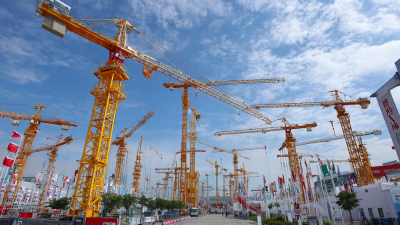
Choosing the right tower cranes for your projects can be a daunting task. With various types and models available, it's crucial to make informed decisions. Tower cranes are vital in construction, offering superior lifting capabilities and height reach. The right crane can greatly enhance project efficiency and safety.
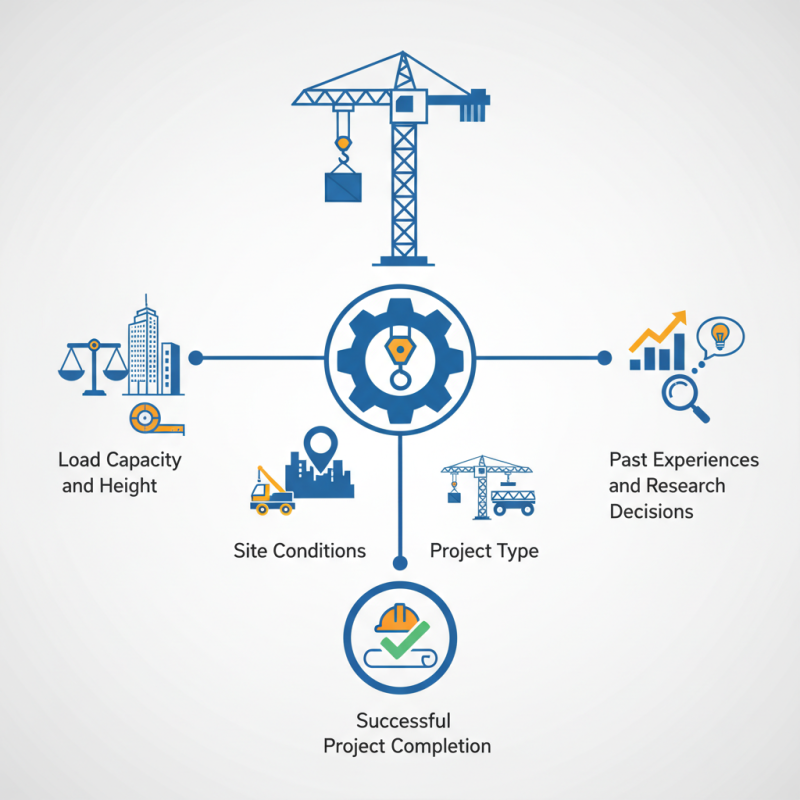
When selecting tower cranes, consider factors like load capacity, height, and site conditions. Each project has unique requirements. For instance, urban projects may need compact cranes with excellent maneuverability. Larger projects may require heavy-duty models capable of lifting significant loads. Understanding these nuances is fundamental.
It's essential to reflect on past experiences and learn from them. Every project presents new challenges. Sometimes, the chosen crane may not perform as expected. Evaluating your options critically can lead to better outcomes. Investing time in research and planning ultimately pays off in successful project completion.
Understanding the Different Types of Tower Cranes Available
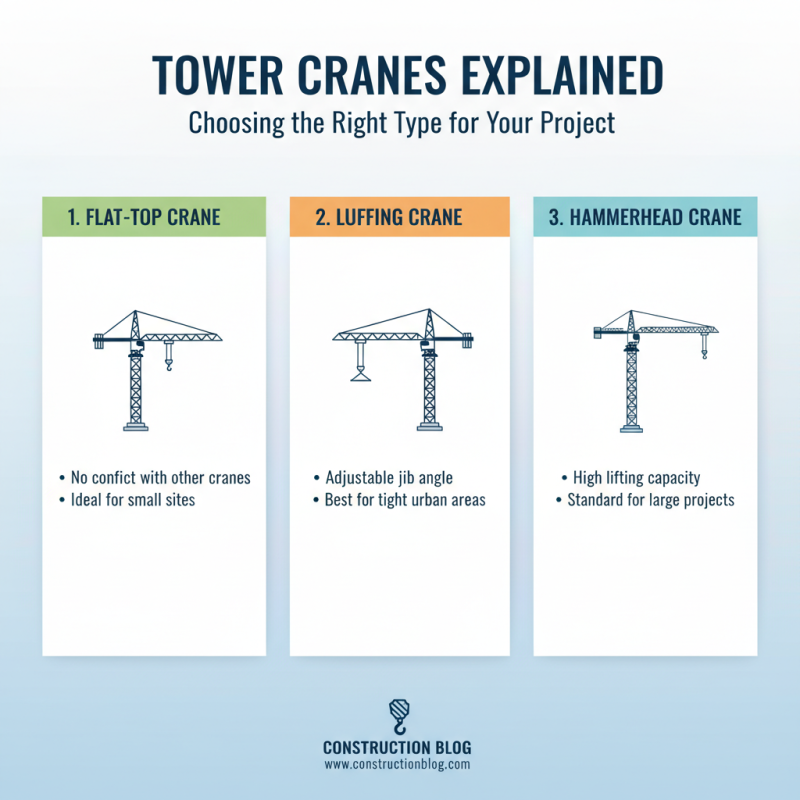
Choosing the right tower crane for your construction project can greatly impact its efficiency and outcome. Understanding the various types available is crucial. There are several common types of tower cranes, including flat-top, luffing, and hammerhead cranes. Each type has its unique strengths and weaknesses. For instance, flat-top cranes are ideal for smaller sites, while luffing cranes work better in tight urban environments.
When considering options, think about the project scale and site conditions. Larger projects may require higher lifting capacities. However, complexity can increase. It is important to analyze the specific needs of the job site. Factors like wind speed and surrounding buildings should be part of your evaluation.
**Tips:** Assess the maximum lift height needed. Select a crane with a little extra capacity. It’s always better to have more than less. Additionally, factor in assembly time and logistics. This can influence the overall project timeline. Save yourself from unexpected delays by planning these aspects carefully. Reviewing past projects and their crane performance can provide valuable insights. It's helpful to learn from mistakes and successes. Keep in mind that what works for one project may not be ideal for another.
Key Factors to Consider When Selecting Tower Cranes
Choosing the right tower crane involves several critical factors. First, assess the project’s height and reach requirements. According to industry reports, cranes with higher lifting capacities can significantly enhance on-site efficiency, especially in large-scale construction projects.
The type of materials also plays a vital role. Heavy materials may require a more robust crane. For instance, when dealing with concrete or steel, consider tower cranes with higher load ratings. Operational efficiency relies on the crane’s rotation range. A crane with 360-degree rotation can cover more area, ensuring seamless operation.
Maintenance and operating costs are often overlooked. Reports indicate that improper maintenance can lead to increased downtime, affecting overall project timelines. Training operators on safety and operations will mitigate risks. Finally, engaging with experienced engineers can provide invaluable insights into making the right selection. Their expertise ensures the crane’s capabilities align with project demands, which is essential for successful project completion.
Assessing Site Conditions and Project Requirements
Choosing the right tower crane is crucial for project success. Assessing site conditions and project requirements guides this decision. Factors such as site size, soil stability, and surrounding structures impact crane selection. According to a study by the International Council for Research and Innovation in Building and Construction, up to 70% of project delays are linked to improper equipment choices.
Wind load analysis is essential during the site assessment. High winds can destabilize cranes, leading to potential hazards. Terrain type affects crane reach and functionality. For example, soft soils may require additional foundation support. To mitigate such risks, always conduct soil testing before selecting a crane.
Tip: Evaluate site accessibility. A crane's mobility impacts installation and operation speed.
Project requirements also influence crane capabilities. Lifting height, load capacity, and boom length should match your project's needs. Data from the American Society of Civil Engineers indicates that misjudging load requirements can lead to equipment failure.
Tip: Collaborate with experienced engineers during the planning phase. Their expertise can prevent costly mistakes.
Careful assessment can reduce risks and enhance project efficiency. This process may seem tedious, but it's essential for safe and effective crane operations.
Evaluating Crane Specifications and Load Capacities
Choosing the right tower crane involves understanding specifications and load capacities. Load capacity indicates how much weight a crane can handle safely. Assess the maximum load each crane type can carry, as it varies greatly. A mismatch could lead to project delays or safety hazards.
Additionally, consider the height and reach of the crane. Some projects require cranes that can extend far or high to access different building levels. With varying boom lengths, make sure the crane can service all areas of your job site.
Not all specifications fit every project. They may look good on paper but don’t always match real-world needs. Review past project outcomes to identify potential flaws in crane choices. Seek insights from seasoned professionals; their experience can reveal blind spots.
How to Choose the Right Tower Cranes for Your Projects
Maintenance and Safety Considerations for Tower Cranes
When working with tower cranes, maintenance and safety are vital.
Regular inspections help identify issues before they escalate. Engineers should assess tower cranes frequently.
This includes checking cables, brakes, and electrical systems.
Ignoring these tasks can lead to dangerous situations. Make sure to create a maintenance schedule.
Safety protocols must be established and communicated clearly. Operators should be trained thoroughly on safe practices.
This includes understanding load limits and proper signaling. It’s crucial to wear personal protective equipment.
Each member of the team plays a role in maintaining a safe working environment.
Mistakes can happen due to oversight or miscommunication. Prepare for potential accidents by having emergency procedures in place.
Documentation is key in keeping track of maintenance and inspections. This not only ensures compliance but also builds a safety culture.
Review records regularly to identify patterns. Reflecting on past incidents can highlight areas needing improvement.
Continuous learning fosters a proactive approach to safety and reliability in your projects.