How to Buy Used Liebherr Tower Crane Effectively?
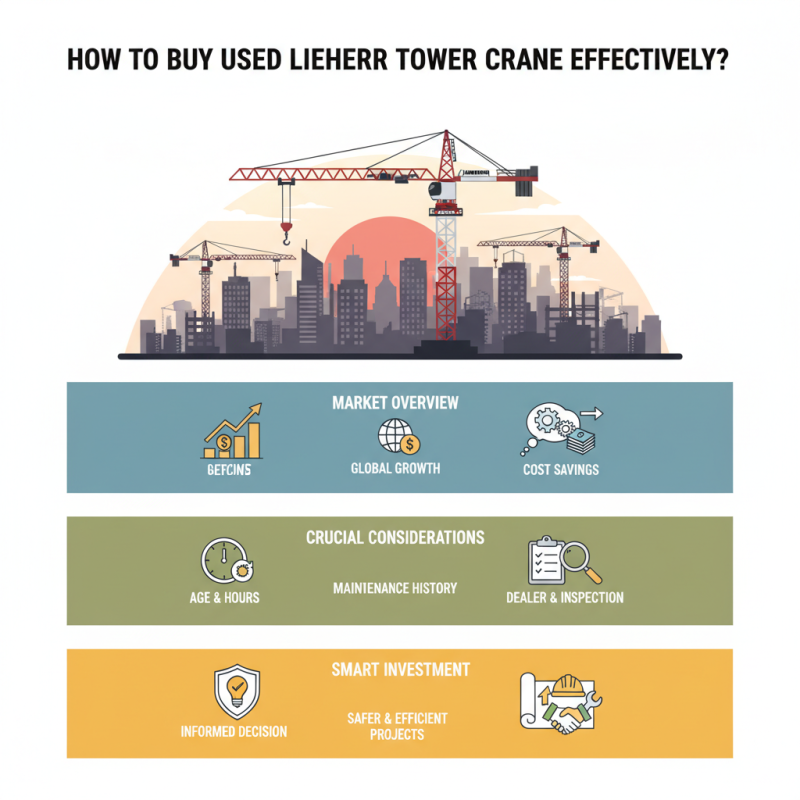
When considering the purchase of a used Liebherr Tower Crane, it's crucial to navigate the process effectively. The construction industry has seen a significant rise in the demand for tower cranes, especially in urban areas. According to a recent report by Technavio, the global tower crane market was valued at approximately $4.15 billion in 2021 and is expected to grow steadily over the next few years. This growth leads many contractors to explore the option of acquiring used equipment.
Buying a used Liebherr Tower Crane can offer considerable savings. However, it also presents challenges. Factors such as age, maintenance history, and operation hours need careful consideration. Recent data indicates that cranes over five years old might require extensive repairs, which can negate initial savings. Engaging with reputable dealers or industry experts is essential. Seeking a thorough inspection before purchase can save you from future headaches.
In this complex market, a well-informed decision can pave the way for successful investments. However, not all used cranes are created equal. Understanding the intricacies involved in purchasing a used Liebherr Tower Crane can ultimately lead to safer and more efficient construction projects, benefiting all stakeholders involved.
Understanding Liebherr Tower Cranes: Models and Specifications
When considering the purchase of a used Liebherr tower crane, understanding the specific models and their specifications is crucial. Liebherr offers a range of models, each designed for different lifting capacities and heights. For example, the Liebherr 150 EC-B model has a maximum lifting capacity of 10 tons, while the larger 280 EC-H can lift up to 16 tons. These distinctions are essential for assessing suitability for your project.
Failure to understand these specifications can lead to underperformance. A study by the Tower Crane Association indicated that improper selection can increase project costs by 15%. Features like maximum hook height and jib length impact operational efficiency. It's also important to check the crane's history and potential wear. Many companies overlook maintenance records, leading to unexpected repairs.
Moreover, technology integration in newer models enhances precision. The Liebherr models equipped with advanced load management systems show a 20% increase in safety. However, older models may lack such features, raising questions about reliability. Many contractors fail to evaluate these factors thoroughly, resulting in costly mistakes. Understanding these aspects can significantly improve the purchasing process.
Comparison of Different Used Liebherr Tower Crane Models
Researching the Market: Where to Find Used Liebherr Tower Cranes
When looking to purchase a used Liebherr tower crane, understanding the market is crucial. Researching online marketplaces is a good start. Websites dedicated to construction equipment often list a variety of options. According to a recent industry report, about 30% of buyers find their machinery through these platforms. However, beware of listings that seem too good to be true.
Attending trade shows and auctions can provide hands-on experience. Networking with industry professionals is invaluable. A significant portion of used cranes—over 40%—is sold through auctions. Personal inspections of cranes can reveal hidden issues. It's important to scrutinize the machine's maintenance history and operating hours. Keep in mind that a crane with high hours may require more maintenance, increasing your long-term costs.
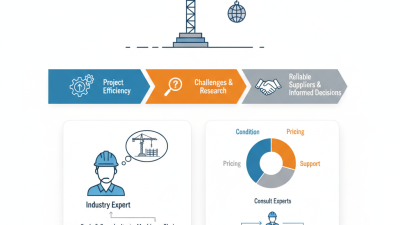
Additionally, consulting with experts in the field can offer insights into pricing and condition. Industry reports have shown that expert guidance can reduce the average buyer’s spending by 15%. However, many buyers overlook this step and end up overpaying. Making informed decisions relies on thorough research and leveraging expert knowledge. This prevents costly mistakes and leads to better investment outcomes.
Evaluating Condition: Key Factors to Inspect Before Purchase
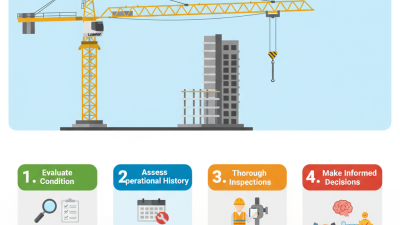
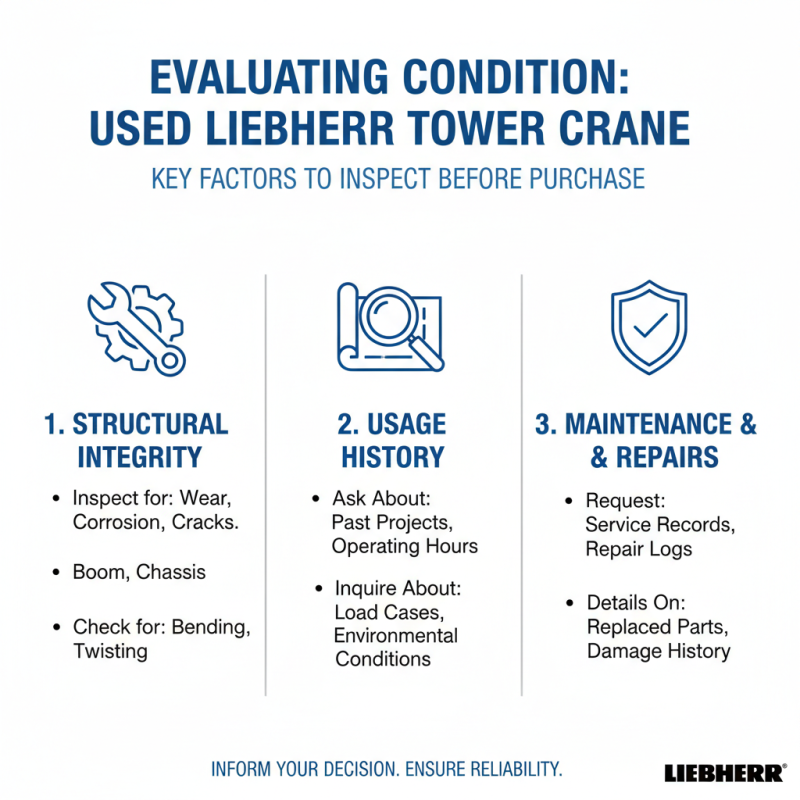
When considering a used Liebherr tower crane, evaluating its condition is crucial. Start by inspecting the crane's structure. Look for signs of wear, corrosion, or cracks. These issues can affect its integrity. Pay close attention to the boom and chassis. Signs of bending or twisting indicate potential problems. Ask detailed questions about past usage and repairs. Understanding its history provides insight into future reliability.
Check the crane's moving parts next. Examine the winch, cabling, and hydraulic system. Smooth operation is essential for safety. Test the controls for responsiveness. If they feel stiff or unresponsive, it could signal deeper issues. Make sure to request maintenance records. This documentation shows how well the crane has been cared for.
Tips: Always inspect in daylight. Shadows can hide critical flaws. Bring an expert if possible. Their experience can help identify hidden problems. A thorough inspection is worth the time invested. You don't want costly surprises later.
Negotiating the Price: Tips for Getting a Fair Deal
Negotiating the price of a used Liebherr tower crane can be challenging. Research shows that 70% of buyers feel uncertain during negotiations. Knowing the market value is crucial. Typically, a well-maintained crane can sell for 60-80% of its original price. However, various factors can influence this price. These include the crane's age, condition, and working hours.
Inspecting the crane beforehand is vital. A thorough assessment can help identify any repairs needed. Minor issues may lead to significant costs later on. You might find that some parts require replacement, which can lower the crane's value. The crane's maintenance history also matters. A documented history demonstrates care and can justify a higher price. Yet, without this, you could argue for a discount.
Being prepared to walk away is a powerful tactic. Many sellers may reduce the price if they sense you have other options. Aim to establish a relationship with the seller, as trust can facilitate better deals. In some cases, offering to pay cash can persuade a seller to lower their price. Always remember that negotiating is about finding a mutually beneficial agreement, not just getting the lowest possible price.
How to Buy Used Liebherr Tower Crane Effectively? - Negotiating the Price: Tips for Getting a Fair Deal
| Criteria |
Details |
| Age of Crane |
3-5 years |
| Operation Hours |
1000-2000 hours |
| Maintenance History |
Regularly serviced |
| Asking Price |
$75,000 - $90,000 |
| Negotiation Tip |
Start with 10-15% below the asking price |
| Inspection Checklist |
Check for structural damage, functionality, and documentation |
| Warranty Options |
Look for extended warranty or guarantees |
| Payment Terms |
Consider options for lease or financing |