Top 10 Construction Crane Types You Should Know?
In the construction industry, cranes play a vital role. They facilitate the safe and efficient movement of heavy materials. According to Jack Sanders, a renowned expert in construction equipment, "Understanding various crane types is essential for project success."
Construction cranes come in different shapes and sizes. Each type serves unique purposes within diverse projects. From towering high-rise buildings to expansive bridge constructions, selecting the right crane is crucial. It impacts not only productivity but also safety on site.
However, the choice isn't always straightforward. Factors like site conditions and load requirements complicate decisions. Some might rush into selecting a crane without full consideration. This can lead to safety hazards or project delays. A thoughtful approach is necessary to maximize the benefits of using a construction crane. Emphasizing expertise and proper planning can significantly enhance project outcomes.
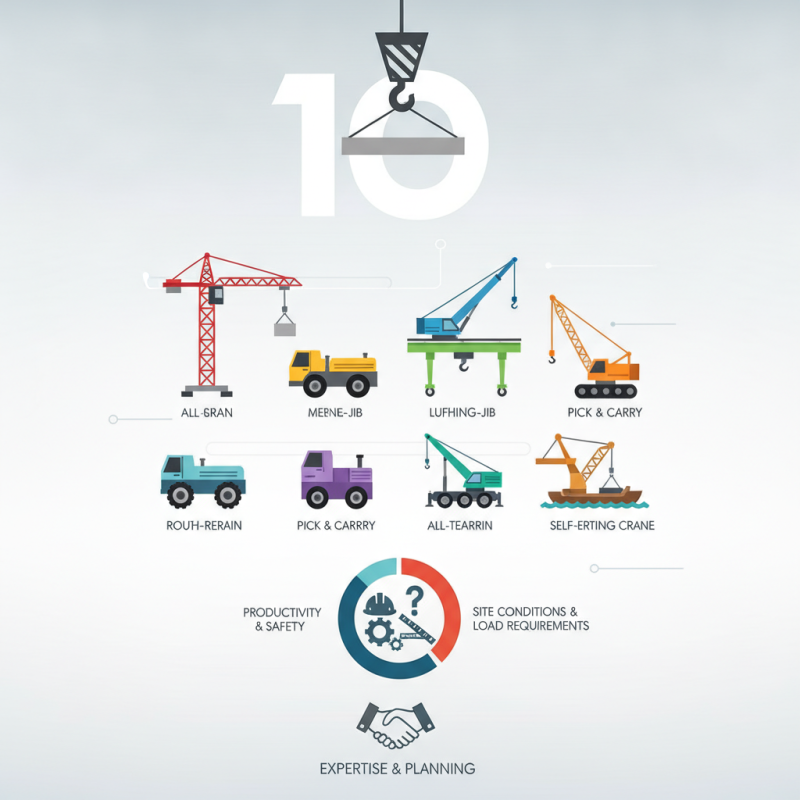
Overview of Construction Cranes and Their Importance
Construction cranes are vital in the development of modern infrastructure. They enable the lifting and moving of heavy materials, which is crucial on construction sites. According to the Bureau of Labor Statistics, construction cranes contribute significantly to reducing labor time and increasing efficiency on projects. With advances in technology, cranes have evolved, leading to enhanced safety measures and improved productivity.
Cranes come in various types, each suited for specific tasks. For example, tower cranes excel in building tall structures, while mobile cranes offer versatility on smaller sites. The choice of crane can significantly affect project timelines and costs. A report from MarketsandMarkets indicates that the global crane market is expected to reach $40 billion by 2025, highlighting their importance in construction.
Tip: Always evaluate site conditions before selecting a crane type. Different projects require different capabilities. A detailed site assessment can prevent costly delays.
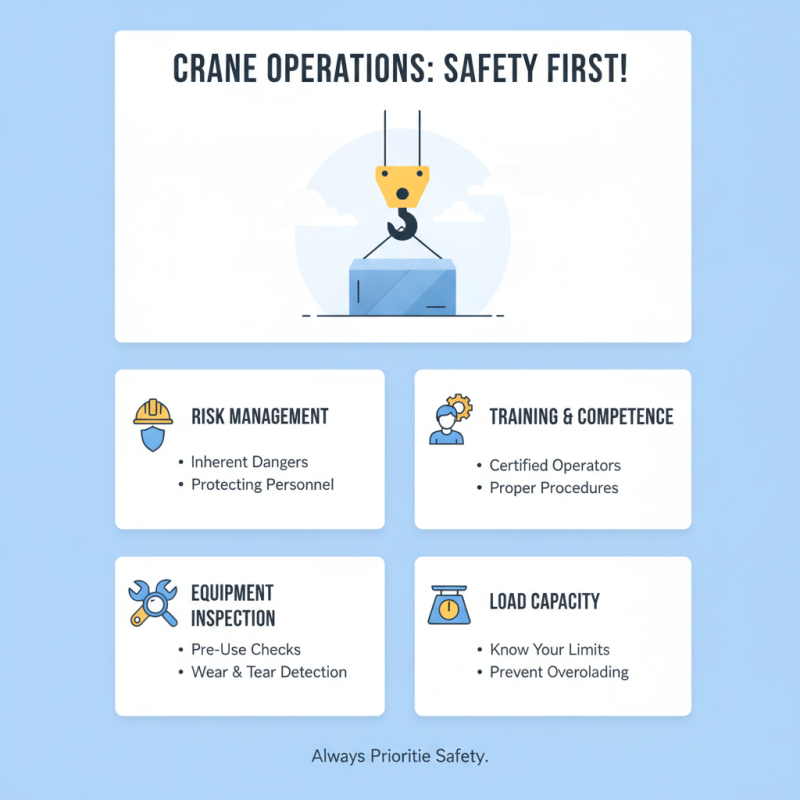
Despite technological advancements, challenges remain in crane operations. Weather conditions, site limitations, and maintenance issues can lead to inefficiencies. Regular training and safety checks are essential for optimal operation. For instance, a study by OSHA found that 62% of crane accidents are linked to improper operator training.
Tip: Keep an updated maintenance log. This can help prevent unexpected breakdowns and extend the crane's lifespan.
Types of Cranes: Mobile, Static, and Tower Cranes Explained
Cranes play a vital role in construction projects, significantly impacting efficiency and safety. There are three main types: mobile, static, and tower cranes. Mobile cranes are versatile, capable of moving across different terrains. They can lift weights ranging from a few tons to over 100 tons, making them essential for various tasks. According to industry reports, around 40% of construction sites utilize mobile cranes due to their adaptability.
Static cranes, often used in smaller projects, rely on a fixed position. These cranes are less versatile but offer stability and precision. They can handle moderate loads and are often employed in residential construction. While they are effective for lighter tasks, static cranes can become a limitation when scaling larger projects. Sometimes, they are not as efficient as their mobile counterparts in demanding conditions.
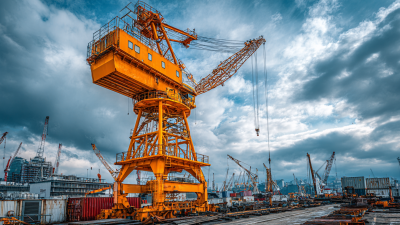
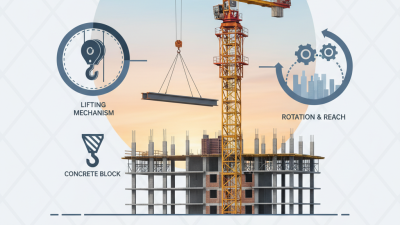
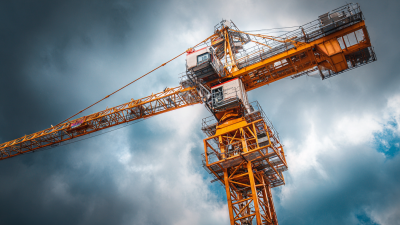
Tower cranes are critical for high-rise constructions. They can reach impressive heights and lift heavy loads. Industry data indicates that tower cranes can lift more than 20 tons at significant elevations. However, their installation requires extensive planning and skilled operators. This complexity often leads to scheduling challenges and increased project costs. Understanding these crane types is crucial for any project manager aiming to optimize labor and resources effectively.
Key Features and Applications of Different Crane Types
When considering construction cranes, it's essential to recognize their key features and applications. Tower cranes are popular on large construction sites. Their height and lifting capacity make them ideal for skyscrapers. However, their setup requires significant space and careful planning. They can pivot, which means they need a clear area around them.
Mobile cranes offer versatility. They can be moved easily from one location to another. This mobility is advantageous for projects like road construction. However, their limited height often restricts their use in towering structures. Additionally, their stability can be a concern in uneven terrains.
Lastly, overhead cranes excel in manufacturing and warehouses. They navigate within a confined space, efficiently lifting heavy materials. Yet, their operational complexity demands skilled operators. Training is crucial to prevent accidents. By understanding these features, you can choose the crane that best fits your project needs.
Top 10 Construction Crane Types
Future Trends in Crane Technology and Innovations
In the evolving landscape of construction, crane technology is witnessing remarkable innovations. Various trends are reshaping how cranes are designed and utilized. For instance, automation is gaining traction. Automated cranes can operate with minimized human intervention. This not only enhances safety but also optimizes efficiency on job sites.
Another notable trend is the integration of smart technology. Cranes equipped with IoT sensors can provide real-time data. This helps project managers monitor performance and predict maintenance needs. Enhanced connectivity allows for seamless communication between cranes and other machinery, streamlining operations.
Tips: Consider investing in training for your team on the latest crane technologies. Staying updated can significantly improve project outcomes. Make use of maintenance tracking software to keep equipment in top shape. Regular checks reduce downtime and enhance safety.
Many contractors are also exploring greener crane options. Electric cranes and hybrid models are becoming more popular. These machines produce fewer emissions, aligning with global sustainability goals. However, transitioning to greener options requires careful planning and analysis of costs versus benefits. Not every project may yield immediate savings.
Top 10 Construction Crane Types You Should Know
| Crane Type |
Max Load Capacity |
Height Range |
Typical Use |
Future Trends |
| Mobile Crane |
10-800 tons |
Up to 250 ft |
Construction sites, heavy lifting |
Integration of IoT technology |
| Tower Crane |
6-20 tons |
Up to 1,000 ft |
High-rise building constructions |
Automation and smart controls |
| Rough Terrain Crane |
10-50 tons |
20-120 ft |
Outdoor, rough surfaces |
Enhanced safety features |
| Crawler Crane |
15-3,000 tons |
20-600 ft |
Heavy construction, industrial |
Remote control operations |
| Overhead Crane |
1-100 tons |
N/A |
Factories, warehouses |
Smart technology for efficiency |
| Floating Crane |
50-1,500 tons |
Water level |
Marine construction |
Innovations in stability |
| Telehandler |
5-12 tons |
Up to 55 ft |
Construction, agriculture |
Electric models emerging |
| Stacker Crane |
< 3 tons |
N/A |
Warehousing, distribution |
Increased automation |
| Barge-mounted Crane |
100-200 tons |
Water level |
Dredging and marine works |
Sustainable technologies |
| Self-erecting Crane |
2-8 tons |
50-80 ft |
Residential and small buildings |
Smart positioning systems |