Top Tower Crane Tips for Safe and Efficient Operations?
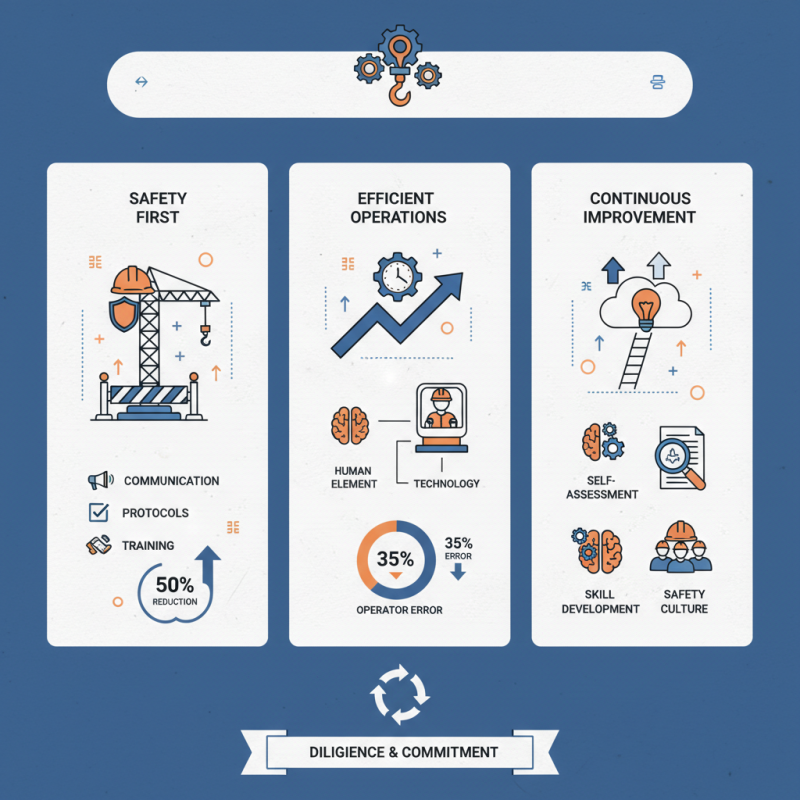
In the construction industry, safety and efficiency are paramount, especially when using Tower Cranes. According to the Occupational Safety and Health Administration (OSHA), crane-related accidents account for a significant portion of construction fatalities. The right operation practices can mitigate risks. As reported by the National Commission for the Certification of Crane Operators, proper training can reduce tower crane accidents by up to 50%.
Even with advancements in technology, human error remains a leading cause of tower crane incidents. Factors such as inadequate communication, poor site safety, and lack of training contribute to mishaps. For instance, studies show that 35% of crane accidents stem from operator errors. Stakeholders must be vigilant and proactive in ensuring robust safety measures and protocols are in place.
A culture of safety must permeate every construction site. Furthermore, while guidelines exist, continuous reflection is essential. Operators must regularly assess their performance and seek to improve their skills. Effective tower crane operations require diligence and commitment from all involved.
Understanding Tower Crane Types and Their Applications
Tower cranes come in various types, each designed for specific applications. The most common include the hammerhead, luffing jib, and flat-top cranes. Hammerhead cranes are versatile. They can lift heavy materials and are often used in large construction projects. Their long horizontal arms can reach high structures easily.
Luffing jib cranes are ideal for tight spaces. They can lift loads without swinging them, minimizing risks. This makes them popular in urban environments. However, their operation requires skilled operators due to their unique mechanics. Flat-top cranes offer stability and are easy to transport. They are often used in high-rise construction.
However, no crane type is perfect. Each has its limitations. For instance, hammerhead cranes may require more space on-site. Luffing jib cranes have a slower lift speed. Understanding these nuances is critical for effective use. Proper training and awareness are essential for operator safety and efficiency.
Top Tower Crane Tips for Safe and Efficient Operations
This bar chart illustrates the maximum load capacities of different types of tower cranes. Understanding the capabilities of each type can help in selecting the right crane for specific tasks on construction sites, thus enhancing safety and operational efficiency.
Essential Safety Measures for Tower Crane Operations
Tower crane operations demand strict adherence to safety measures. According to the Occupational Safety and Health Administration (OSHA), about 85% of construction-related fatalities are linked to falls, equipment overloads, or improper use. Implementing essential safety protocols can significantly reduce these risks.
Tips for safe operation include thorough training. Operators should receive certification that covers all operational procedures and emergency protocols. Regular inspections are crucial. Check for defects in machinery and rigging before each use. A daily checklist can be helpful. Always monitor weather conditions. High winds can destabilize even the best-operated cranes.
Another tip: ensure clear communication on site. Use radios or signaling devices to relay instructions. Miscommunication can lead to serious accidents. According to a study by the National Safety Council, 17% of construction injuries result from poor communication. Reflect on your team dynamics. Are your workers aware of their roles and responsibilities? Take time for safety briefings. Make safety a priority, not an afterthought.
Pre-Operation Checks: Ensuring Safety and Efficiency
Before operating a tower crane, conducting thorough pre-operation checks is essential. This involves inspecting key components such as cables, hooks, and the tower itself. Look for any signs of wear or damage. A small crack can lead to bigger issues. Operators should familiarize themselves with the crane's safety features. Not all cranes are the same, and overlooking these nuances can result in serious consequences.
Communication is key during inspections. Engaging with the team fosters a culture of safety. Sometimes, a fresh set of eyes can catch something missed by others. However, reliance on individual memory can backfire. It’s advisable to maintain a checklist for each operation. A paper trail can highlight repeated issues, creating an opportunity for improvement. Regularly reviewing these checks helps in identifying trends that might indicate larger systemic problems.
The environment also plays a crucial role. Weather conditions, such as high winds or rain, can affect crane operations. Operators should be aware of these factors. If conditions are less than ideal, it may be wise to postpone operations. Reflect on past experiences; did anyone rush to operate despite warnings? Safety should never be compromised for productivity. Balancing efficiency with caution is not just encouraged; it’s imperative.
Proper Signaling and Communication Techniques on Site
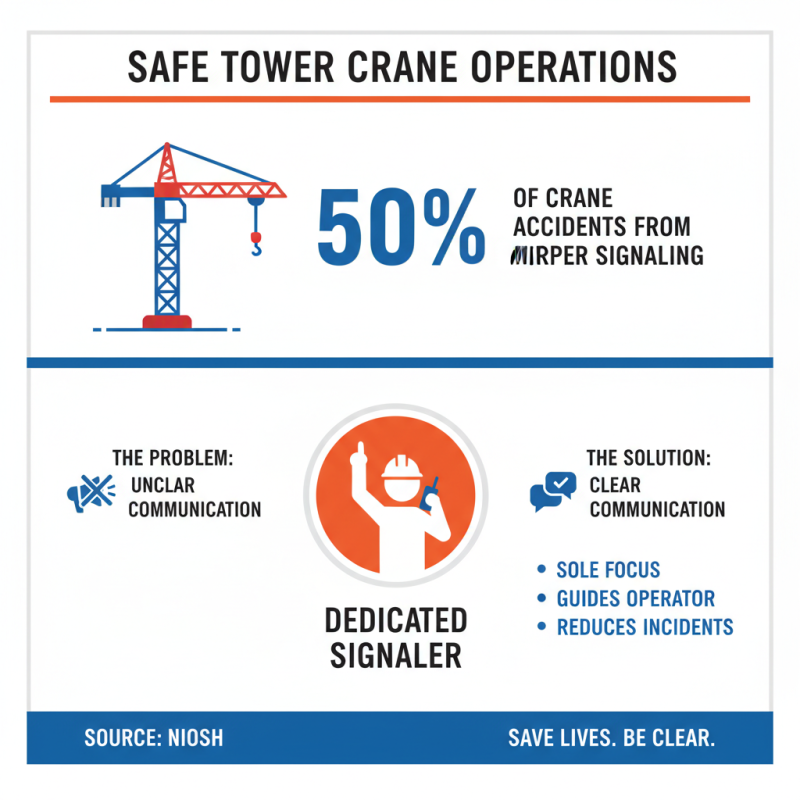
Effective signaling and communication techniques are crucial for safe tower crane operations. According to the National Institute for Occupational Safety and Health (NIOSH), around 50% of all crane-related accidents arise from improper signaling. Clear communication can significantly reduce these incidents. On construction sites, establishing a dedicated signaler is essential. This person should focus solely on guiding the crane operator. Distractions are dangerous.
Training should never be overlooked. The Occupational Safety and Health Administration (OSHA) emphasizes that regular training can enhance understanding among team members. Visual aids like hand signals must be standardized. These signals should be visible from any position on site. Terms like "hoist," "lower," and "swing" need consistent application to avoid confusion.
However, even with training, misunderstandings can occur. Conflicting signals may arise if workers are not aligned. Regular safety meetings can help address these challenges. They encourage feedback and allow workers to voice concerns. Open dialogue fosters a cohesive work environment. It’s vital to remind all crew members about the importance of voice clarity and awareness. There’s always room for improvement in communication practices on construction sites.
Routine Maintenance Practices for Tower Cranes
Routine maintenance of tower cranes is crucial for ensuring safe and efficient operations. Data from the Occupational Safety and Health Administration (OSHA) shows that improper maintenance can lead to accidents that put workers at risk. Research indicates that about 80% of tower crane incidents stem from mechanical failures or operator error, often preventable through regular upkeep.
Inspecting components like gears and hydraulic systems weekly can nip potential issues in the bud. Keeping an eye on the crane's wear indicators is essential. A worn-out cable can compromise safety, increasing the risk of load drops. Inadequate lubrication of moving parts can lead to premature wear and tear, which may result in costly repairs. Just 10% of construction companies report adhering to proactive maintenance schedules.
Daily pre-operational checks can catch minor issues before they escalate. For instance, operators should verify the hook's condition and check that safety devices are functioning. Skipping these steps may save time in the short term but could have dire consequences. Studies suggest that consistent checks can significantly reduce operational downtime and enhance overall crane lifespan, preventing unplanned costs.