Buying a Dahan Used Tower Crane demands more than comparing age, capacity, and asking price. It requires evidence, practical judgment, and disciplined inspection. KHL Group’s 2024 Yellow Table reported approximately $243 billion in global construction equipment manufacturer sales during 2023. That figure signals strong equipment demand, but it does not guarantee that every second-hand crane is reliable. Market activity can hide uneven maintenance histories.
A used crane should be assessed through documents and physical details. Check the serial plate, original load charts, service records, inspection certificates, and previous operating environment. Look closely at the mast sections for corrosion, distorted bolt holes, and fresh paint covering repairs. Examine the slew ring, wire ropes, brakes, trolley system, limit switches, and electrical cabinet. Small defects can become expensive downtime. Very expensive. Ritchie Bros.’ equipment market reporting also shows why condition, usage history, and regional demand influence resale values more than age alone. The cheapest machine may carry the greatest technical uncertainty.
This guide presents seven practical tips for evaluating a Dahan Used Tower Crane before purchase. It considers configuration, lifting performance, component wear, spare-parts support, transport requirements, installation planning, and total ownership cost. Manufacturer documentation and a qualified crane engineer should guide the final decision. Local lifting regulations and site requirements must also be confirmed before any transaction. Some buyers, including experienced contractors, still overlook foundation compatibility. That is a useful reminder: confidence is not proof. A careful inspection is.
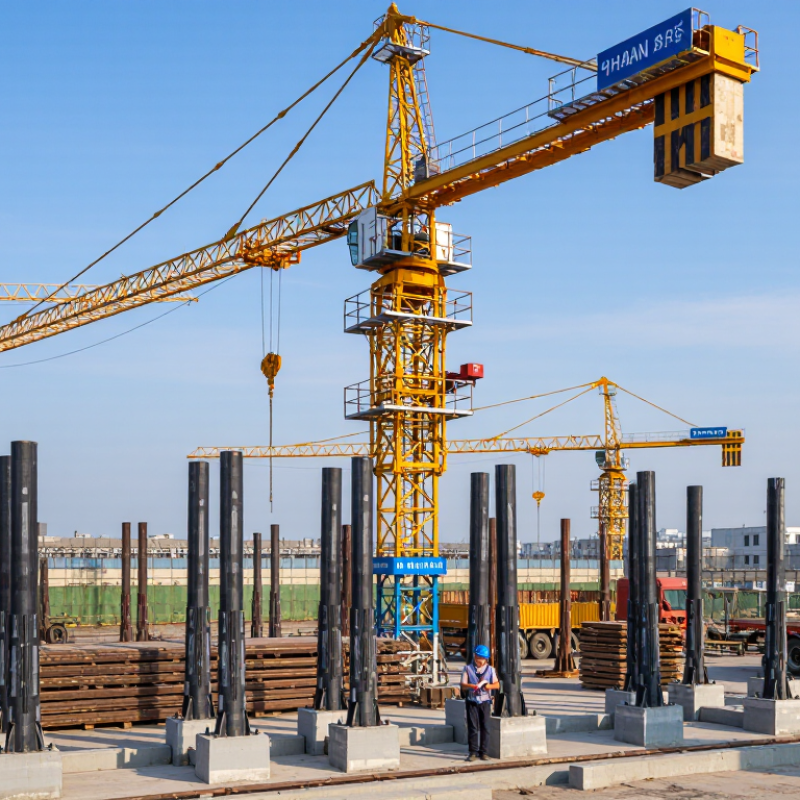
Before buying a used tower crane, define the work it must perform. Record the maximum load, lifting radius, hook height, working hours, and expected project duration. A crane lifting 8 tons near the tower needs different capacity from one lifting 2 tons at the jib tip. Include concrete elements, steel beams, and awkward loads in your calculations. Small details matter.
Study the project conditions carefully. Check the foundation design, ground bearing capacity, available assembly space, transport access, and nearby structures. Wind exposure is especially important on coastal or high-rise sites. Measure the highest building and required clearance before reviewing any crane offer.
Confirm power supply, climbing needs, tie-in points, and dismantling arrangements with a qualified engineer. Guesswork becomes expensive very quickly.
Ask for load charts, maintenance records, inspection reports, and the crane’s configuration history. An independent inspector should examine the mast sections, bolts, pins, slewing system, wire ropes, brakes, and electrical controls. Look for cracks, unusual wear, oil leaks, and missing identification plates. Fresh paint can hide problems. I have seen buyers focus on price and overlook transport costs, which later changed the entire budget. My own judgment can be too optimistic, so written measurements and a second technical opinion are worth the extra time. Safety devices must also match the planned operation and applicable local requirements.

A used tower crane may look clean after repainting, but appearance proves very little. Ask for the original manufacturing date, model designation, serial number, and ownership records. Compare every detail with the identification plate and technical documents. Do not guess. A missing plate deserves careful investigation.
Confirm the rated capacity and load moment from the manufacturer’s specifications. Check the maximum load near the jib tip, not only the headline capacity. Review the configuration, mast height, jib length, and counterweights used during previous projects. A crane rated for one setup may perform differently after modification. Bring an experienced inspector to examine welds, pins, bolts, brakes, ropes, and the slewing ring.
The operating history can reveal problems that paint conceals. Request maintenance logs, inspection reports, repair invoices, and operator notes. Look for repeated faults, long storage periods, overload events, or unexplained gaps. Records matter. During a practical inspection, listen for unusual gearbox noise and watch for uneven movement. Test emergency controls and limit switches under controlled conditions. Ask why major parts were replaced. The answer may be more useful than the invoice. I once underestimated the importance of storage conditions; moisture damage appeared months later. That mistake was avoidable. Have an independent engineer verify the documents and physical condition before negotiating the price.
| Tip | Verification Dimension | What to Check | Reliable Evidence | Typical Acceptance Guidance | Warning Signs |
|---|---|---|---|---|---|
| 1 | Manufacturing age | Confirm the year of manufacture and calculate the crane’s current calendar age. Separate the age of the crane from the age of individual components such as ropes, brakes, motors, and control systems. | Original nameplate, manufacturer’s certificate, delivery record, import documents, and continuous maintenance records. | Older equipment may still be suitable when inspections, structural assessments, replacement parts, and local regulatory requirements are fully documented. | Missing or altered nameplate, inconsistent dates, undocumented modernization, or corrosion that is greater than expected for the stated age. |
| 2 | Exact model and configuration | Identify the exact model, series, boom or jib arrangement, tower-section type, climbing system, counter-jib configuration, and electrical-control version. | Data plate, certified drawings, parts lists, assembly instructions, and photographs of the complete crane. | All supplied parts should match the approved configuration and the available technical documentation. | Mixed tower sections, non-original structural parts, undocumented modifications, or missing erection and dismantling instructions. |
| 3 | Rated capacity and load chart | Verify maximum load, maximum working radius, tip load, lifting speeds, hook height, and the load moment or rated-capacity limits for each jib length. | Original load chart, approved technical data, load-moment limiter settings, and an independent functional test. | The load chart must match the actual jib length, counterweights, tower height, reeving arrangement, and foundation or tie configuration. | Unreadable load chart, missing counterweight records, limiter bypasses, or a claimed capacity that cannot be supported by documentation. |
| 4 | Operating hours and duty history | Review total operating hours, lifting cycles, average load levels, previous applications, maximum wind exposure, and whether the crane worked in coastal, dusty, corrosive, or high-temperature environments. | Hour meter, service logs, project records, operator reports, inspection certificates, and repair invoices. | A lower hour count is not sufficient by itself; duty severity and the quality of preventive maintenance are equally important. | Disconnected hour meter, unexplained gaps in records, repeated overload alarms, or a history of severe impact and wind events. |
| 5 | Structural condition | Inspect the mast, jib, counter-jib, slew ring support, welds, bolts, pins, ladders, platforms, tie-ins, and foundation interface for cracks, deformation, wear, corrosion, and unauthorized repairs. | Inspection by a qualified engineer, non-destructive testing where required, bolt records, dimensional checks, and structural assessment reports. | No critical cracks, permanent deformation, excessive bolt-hole wear, or corrosion-related section loss should be accepted without engineering disposition. | Cracked welds, bent members, elongated bolt holes, missing high-strength bolts, heavy pitting, or fresh paint concealing repairs. |
| 6 | Mechanical, electrical, and safety systems | Test hoist, trolley, slewing, travel, brakes, limit switches, emergency stop, overload protection, anemometer, anti-collision system, lighting, grounding, and control panels. | Pre-purchase functional test, electrical test reports, brake inspection, control-system records, and calibration certificates for safety devices. | Every safety device should operate correctly and be compatible with the intended power supply, site layout, and applicable regulations. | Oil leaks, abnormal noise, brake slip, overheating, intermittent controls, bypassed limit switches, or obsolete parts with no replacement plan. |
| 7 | Legal compliance, transport, and total cost | Confirm inspection status, registration requirements, available spare parts, dismantling and transport dimensions, erection equipment, foundation details, refurbishment cost, and insurance or certification requirements. | Current inspection certificate, conformity documents, transport list, assembly manual, spare-parts list, repair quotation, and written sales contract. | Approve the purchase only after an independent inspection and a full cost estimate covering transport, installation, testing, repairs, and future maintenance. | Expired certification, unavailable technical files, unclear ownership, missing components, hidden dismantling costs, or repair costs approaching replacement value. |
Purchase rule: Do not rely on age or appearance alone. Have the complete crane inspected by a competent independent professional before signing the purchase contract or putting the equipment into service.
Buying a used tower crane requires more than checking its age and painted appearance. Do not trust paint. Ask for service records, inspection certificates, repair invoices, and the original load charts. Missing paperwork may hide expensive problems. Examine every mast section for corrosion, bends, cracked welds, and stretched bolt holes. Check pins, bolts, climbing frames, turntable connections, and foundation interfaces for wear. A small deformation can affect the crane’s alignment and stability.
Inspect the machinery while it operates under controlled conditions. Listen for grinding in the slew gearbox, vibration in the hoist motor, and delayed braking. Check drums, wire ropes, sheaves, hooks, and gear oil for unusual wear or leakage. Inspect electrical cabinets for moisture, loose terminals, burnt insulation, and damaged cables. Test grounding, emergency stops, overload protection, limit switches, and operator controls. Never accept a safety device that has been bypassed, even temporarily. That shortcut can become a serious hazard.
Use an independent qualified inspector before purchase. Ask for a measured check of tower verticality, bolt torque, structural thickness, and brake performance. Confirm that the crane suits the planned site, loads, foundation, and local regulations. A successful test lift is useful, but it does not prove every hidden component is sound. I would also budget for replacement ropes, seals, sensors, or control parts, because older equipment rarely performs perfectly. Leave room for surprises.
Buying a used tower crane requires more than checking paint, price, and lifting capacity. Ask for complete maintenance records, not selected pages. Look for service dates, operating hours, load incidents, replaced components, and inspection findings. A dusty file may reveal more than a polished machine. If records stop suddenly, treat that gap as a serious question.
Tip: Verify every certification with the issuing authority or an independent qualified inspector. Check the crane’s model, serial number, rated capacity, structural condition, and electrical safety documents. Certificates can expire, change with local requirements, or describe a different configuration. Do not rely on scanned copies alone. A recent inspection is useful, but it is not proof of perfect history.
Tip: Confirm spare-parts availability before paying a deposit. Ask for part numbers, supplier lead times, compatibility details, and prices for critical items such as brakes, limit switches, ropes, and control components. Some older parts may be repairable, while others may require costly redesign. I have seen buyers focus on the crane price and overlook months of downtime. That mistake is easy to repeat.
Tip: Evaluate the seller’s reliability through references, clear contracts, transparent ownership records, and responsive technical support. Request a live demonstration under controlled conditions. Listen for unusual gearbox noise and inspect welds, bolts, drums, and corrosion areas. An independent engineer should review the crane before delivery. Even careful buyers miss details, especially when deadlines create pressure. Take time to challenge your own assumptions.
Buying a Used Tower Crane: Seven Practical Tips
Price is only the doorway. Calculate purchase cost, transport, assembly, testing, insurance, financing, energy, maintenance, and eventual resale value. Industry lifecycle studies commonly place annual maintenance near 5–10% of equipment value, but harsh coastal sites may cost more. Request service records, inspection certificates, load charts, and component replacement dates. Pay special attention to the hoist brake, wire ropes, slewing ring, mast sections, and electrical controls. A clean repaint proves very little. Measure twice.
Site delivery needs equal attention. Confirm the crane’s foundation design, ground bearing capacity, maximum radius, working height, and nearby power lines. Obtain route surveys before signing; one low bridge or restricted road can delay delivery and add escort charges. The U.S. Federal Highway Administration’s Freight Facts and Figures reports that trucks carry most domestic freight by weight, yet oversized loads face stricter routing controls. Build realistic contingency funds. They are often underestimated.
Purchase risk increases when ownership history is incomplete. Compare the crane’s age with its operating hours, not age alone. Ask an independent engineer to inspect it under a written scope. The Health and Safety Executive recorded 51 construction worker fatalities in Great Britain during 2023/24, with lifting operations requiring disciplined planning and supervision. That figure is not crane-specific, but it should influence your risk budget. Include spare parts availability, operator training, warranty limits, and clear responsibility for hidden defects. A cheaper crane may become the expensive choice. Check everything, then question your assumptions.