Top Construction Crane Types for Global Buyers?
In the world of construction, the right equipment can make all the difference. Among these, the construction crane stands out as a vital machine for various projects. These cranes are crucial for lifting heavy materials and aiding in construction efficiency. However, the choice of crane type can be overwhelming for global buyers. Each type of construction crane serves specific functions, tailored to different environments and tasks.
From tower cranes to mobile cranes, understanding their unique features is essential. Buyers must possess knowledge about load capacities, height reach, and operational contexts. Making an informed choice requires expertise and reliable data. Many buyers often overlook the importance of selecting the right crane, leading to project delays and increased costs.
Investing in a construction crane demands careful consideration. The global market offers numerous options, but not all are suitable for every project. Buyers must reflect on their needs and project requirements. Without thorough research, it's easy to make mistakes. By examining diverse types of construction cranes, buyers can find the right match for their specific needs, ensuring successful project execution.
Top Types of Construction Cranes Used by Global Buyers in 2023
In 2023, the construction industry sees a variety of crane types gaining popularity among global buyers.
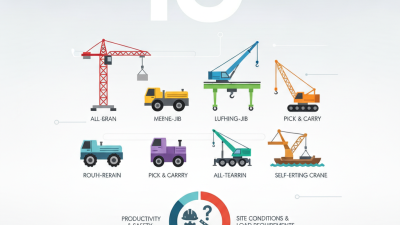
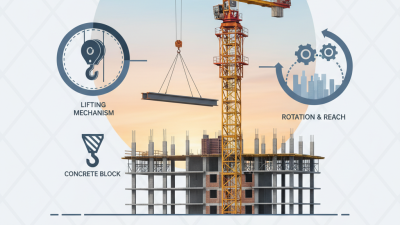
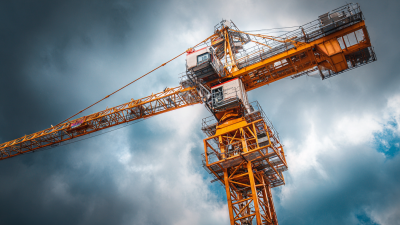
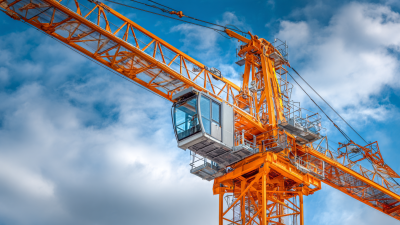
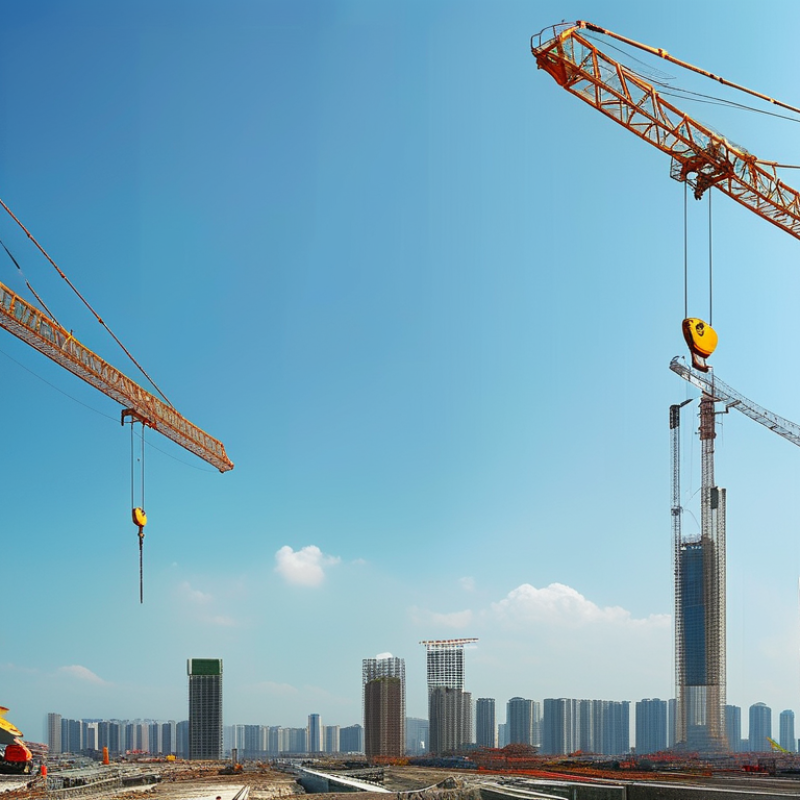
Tower cranes remain a top choice for high-rise projects. Their ability to lift heavy loads makes them indispensable for skyscraper developments.
These cranes can reach impressive heights, making them suitable for urban projects with limited space.
Mobile cranes are also gaining traction due to their flexibility. They can be easily transported between job sites without extensive setup.
This adaptability is crucial for contractors handling multiple projects. Understanding the specific needs of each project is vital to selecting the right crane type.
Tips: Always assess your project requirements before choosing a crane. Look at the load capacity and height requirements.
Consider job site space and logistics as well. Understand that each crane type has limitations.
Select based on what you truly need, not just on what is available. Being thoughtful in this process can save costs and enhance efficiency.
Key Features and Specifications of Various Crane Types
When selecting construction cranes, understanding their key features and specifications is vital for global buyers. Tower cranes dominate skyline construction projects. Their height and lifting capacity make them ideal for tall buildings. A standard tower crane can reach heights up to 1,000 feet with a lifting capacity of 20 tons. This capability allows for versatile construction applications, though the setup may require extensive foundation work.
Rough-terrain cranes offer versatility, combining off-road capabilities with lifting strength. These cranes typically lift loads up to 50 tons and travel at speeds of 25 mph on rough terrains. Their short wheelbase enhances maneuverability, although they may struggle on extremely unstable grounds. Furthermore, mobile cranes can be particularly advantageous in tight spaces. They offer quick setup times and can carry loads exceeding 100 tons, but their stabilizers need to be deployed correctly to ensure safety.
Despite these advantages, buyers must recognize a crane's limitations and the need for skilled operators. Operational challenges often arise in congested urban environments. Data indicates that accidents mainly occur due to operator error or improper crane positioning. Awareness of these risks is crucial, emphasizing the need for regular training and rigorous maintenance protocols in crane operations.
Top Construction Crane Types for Global Buyers
| Crane Type |
Load Capacity |
Maximum Height |
Reach |
Weight |
Mobility |
| Tower Crane |
10 - 25 tons |
50 - 265 ft |
100 - 230 ft |
15 - 30 tons |
Stationary |
| Mobile Crane |
10 - 700 tons |
30 - 140 ft |
100 - 200 ft |
16 - 70 tons |
Roadworthy |
| Crawler Crane |
50 - 1,600 tons |
50 - 300 ft |
150 - 330 ft |
40 - 200 tons |
Off-road |
| Articulating Crane |
1 - 5 tons |
30 - 50 ft |
20 - 35 ft |
3 - 12 tons |
Stationary |
| Rough Terrain Crane |
10 - 50 tons |
40 - 100 ft |
60 - 110 ft |
10 - 15 tons |
Off-road |
Market Trends: Demand for Cranes in Major Construction Sectors
The construction industry is evolving rapidly, leading to increased demand for various types of cranes. Major sectors like residential, commercial, and infrastructure development are driving this growth. Construction projects have become more ambitious, requiring innovative machinery. Key factors influencing crane demand include urbanization and population growth. This scenario creates an urgent need for efficient lifting solutions.
Cranes play a vital role in project efficiency. Manufacturers are responding to this trend by offering advanced features. For example, many cranes now come equipped with smart technology. However, the integration of these technologies isn't flawless. Some operators face challenges in understanding new systems. The learning curve can slow down productivity. It's essential for construction companies to invest in training their workforce.
Market trends indicate a rising preference for eco-friendly cranes. Buyers are increasingly interested in energy-efficient models. These machines reduce operational costs while minimizing environmental impact. Nonetheless, the initial investment can be high, deterring some companies. Striking the right balance between cost and sustainability is crucial for decision-makers in the construction realm.
Safety Standards and Regulations Impacting Crane Choices Worldwide
Safety standards and regulations significantly influence crane choices around the world. Each country implements various guidelines to ensure safe operation and construction practices. These regulations dictate everything from inspection processes to load capacities and operator training. In Europe, the Machinery Directive establishes strict criteria for crane design, while the United States follows the OSHA standards to promote construction safety.
However, compliance with these regulations is not uniform. Different interpretations of safety standards can lead to inconsistencies. For instance, some regions prioritize speed over safety, while others focus solely on regulations. This can create challenges for global buyers looking for cranes that meet diverse, and sometimes conflicting, safety requirements.
Regular updates to safety standards mean buyers must stay informed. Failure to do so can result in unsafe practices. It’s crucial for companies to continually reassess their choices and adapt to changing regulations. Buyers may overlook the importance of training programs for operators, which often leads to accidents. Ultimately, understanding and adhering to safety standards is vital for successful and safe crane operations.
Top Construction Crane Types and Their Usage Worldwide
Innovations in Crane Technology Enhancing Operational Efficiency
The construction industry is rapidly evolving. Innovations in crane technology are addressing key operational challenges. Advanced models now feature lightweight materials and enhanced lifting efficiencies. For instance, a report by the Global Construction Survey highlights that modern cranes improve energy consumption by up to 30%. This shift is crucial for sustainable construction practices.
Telematics integration has transformed crane operations. Real-time data enables precise monitoring of load weights and equipment performance. A study indicated that cranes equipped with telematics reduce maintenance costs by 20%. However, relying solely on technology poses risks. The human factor in interpreting data remains critical. Misjudgments in crane operation can lead to significant safety issues, underscoring the need for continuous training.
Moreover, the transition to electric cranes is gaining momentum. These machines produce fewer emissions, aligning with global sustainability goals. Yet, challenges persist in battery life and charging infrastructure. As the industry adapts, a balance between innovation and practical limitations must be found. Embracing these advancements can lead to improved safety and efficiency, but it necessitates careful consideration of operational realities.